
Fit Matters More Than Enthusiasm
Fit is about how you travel, not how much you want to go
THOUGHTFUL TRAVEL
2/2/20266 min read
by Jeanne Crouse
Writing about destinations that reward patience, context, and a more intentional way of traveling
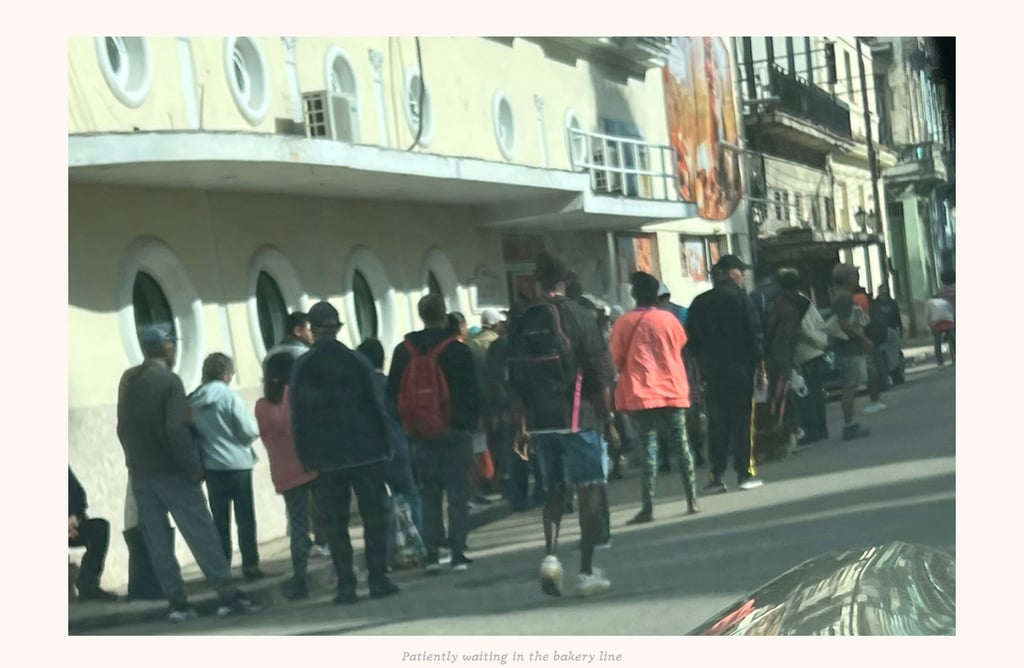
Traveling through Cuba makes one thing clear: this is not a destination that rewards improvisation alone. Context matters, but so does fit. The question isn’t whether Cuba is worth visiting. It’s whether the way it asks to be experienced aligns with how you prefer to travel.
Why Fit matters more than enthusiasm
Wanting to visit Cuba and being well-suited to travel there are two different things. Interest speaks to curiosity; fit speaks to how you handle the realities that shape each day on the island. In Cuba, that difference is amplified because the gap between a visitor’s expectations and the country’s living conditions can be wide.
Many destinations are built to cocoon travelers from local complexity. In Cuba, daily life and visitor life overlap in a way that is impossible to ignore: the same shortages, power cuts, and logistical workarounds that shape local routines also shape your trip. When expectations are mismatched - imagining a seamless Caribbean escape instead of a layered, sometimes challenging, human experience - disappointment rarely means the place has “failed.” It usually means the traveler arrived with a mental picture that the destination never promised to fulfill. The core question becomes not “How badly do you want to go?” but “How do you travel and does that align with what Cuba actually is?”
Comfort with ambiguity (the first real test)
Cuba is a master class in ambiguity. Plans change with minimal notice, schedules are more aspiration than guarantee, and information is often partial, shifting, or shared verbally rather than through reliable digital channels. A museum may open late, a domestic flight may be rescheduled, the restaurant you planned on might not have half the items on its menu that day. None of this is an exception; it is simply how the system functions.
It helps to stop labeling this as “inefficiency” and instead accept it as reality. The diagnostic question is simple: when plans shift unexpectedly, do you feel curious—or frustrated? If your first instinct is to adapt, ask questions, and see what else the situation might reveal, Cuba will likely feel intriguing. If your stress spikes whenever timing, inventory, or communication deviate from plan, the emotional cost of travel here may feel high, even if the itinerary looks beautiful on paper.
Expectations vs. reality (and why they clash here)
Many visitors arrive in Cuba carrying unspoken Western assumptions about service, availability, and control over outcomes. Service expectations shaped by all-inclusive resorts and hyper-efficient urban hotels do not map neatly onto a country where infrastructure is strained, imports are limited, and supply chains are unpredictable. Even in thoughtfully run private guesthouses and restaurants, you may experience delays, shortages, or substitutions that would be rare elsewhere in the region.
Availability is also different: not everything can be summoned on demand, from specific brands of medication to common ingredients to Wi‑Fi that behaves the way you expect. What feels like “inconvenience” is actually information about how the system works. Reality in Cuba does not pivot quickly to accommodate the individual traveler’s preferences, and expecting it to do so almost guarantees friction. Recognizing this ahead of time prevents the kind of disappointment that stems not from what Cuba offers, but from what it never claimed to be.
This tension - between expectation and reality - is exactly why some destinations require a different kind of travel, a theme I explored earlier when looking at how mindset shapes experience long before arrival.
Why structure matters more than freedom in Cuba
In many places, freedom in travel is equated with total independence: booking everything yourself, improvising day by day, and avoiding guided experiences. In Cuba, that version of “freedom” can be an illusion. Access often depends on relationships—knowing which casa particular owner actually has reliable water and power, which driver is trustworthy over long distances, which paladares (privately owned restaurants) are still operating, and how to navigate shifting regulations for experiences like live music venues or festivals.
Thoughtful structure, whether through a specialized tour, trusted local partners, or a carefully designed, regulation-compliant itinerary, often increases immersion rather than limiting it. For many travelers, especially U.S. citizens who must travel under one of the 12 authorized categories such as “Support for the Cuban People,” structure is also what keeps the experience both legal and meaningful, channeling time and money toward privately owned businesses and community interaction. The real question to sit with is: do you equate freedom with pure autonomy, or with access and understanding? In Cuba, freedom often emerges from having the right scaffolding in place, not from the absence of it.
Safety, access, and the role of relationships
Safety in Cuba is less about transactions, such as paying for the “right” hotel or the most expensive transfer and more about relationships. Travelers frequently describe Cuba as feeling personally safe in terms of violent crime, yet navigating logistics, unfamiliar neighborhoods, and occasional scarcity requires local knowledge and trusted connections. A strong relational network can mean the difference between being stranded when a bus is canceled and having an alternative appear through a quick phone call.
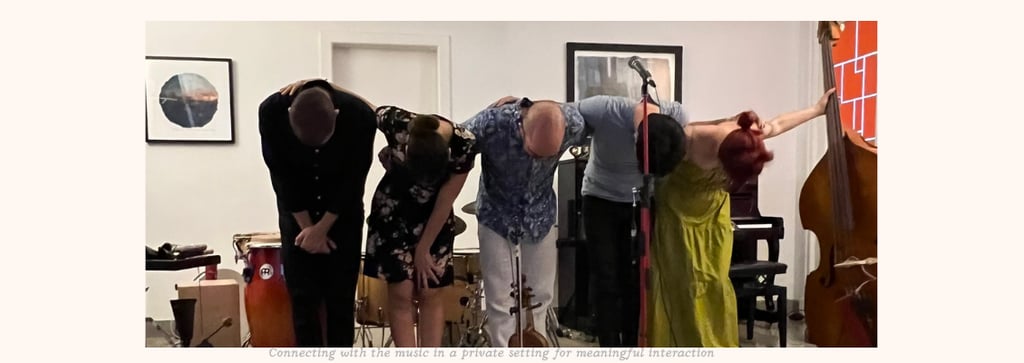
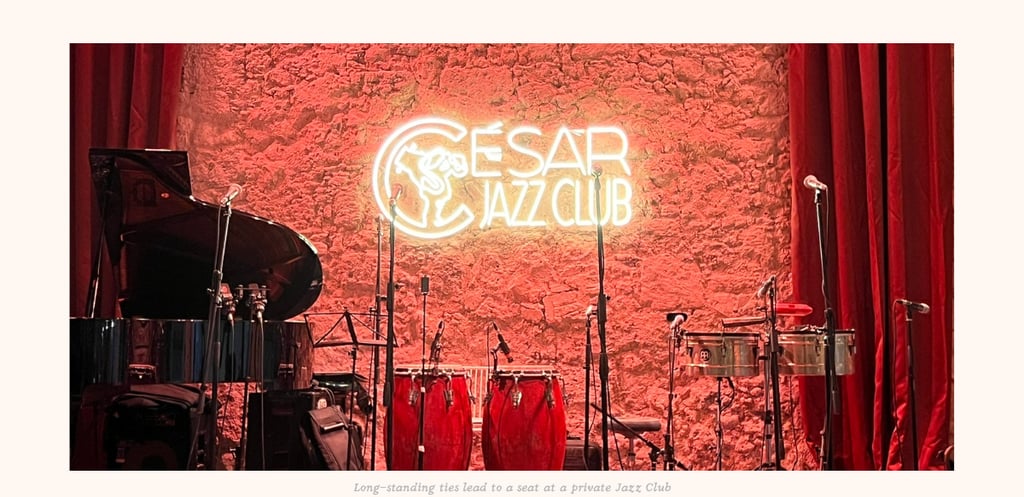
Access works similarly. Many experiences - private home concerts, studio visits with artists, conversations with entrepreneurs, or meaningful time with musicians around events like the Havana Jazz Festival - are not found on booking platforms. They are negotiated through trust and long-standing ties. In this context, a good guide or host does not exist to control your time, but to create continuity: someone who can read the environment, make on-the-fly adjustments, and hold a steady line through the messiness so that you can focus on connection rather than contingency planning.
How slower travel transforms the experience
Cuba rewards those who are willing to slow down. Time becomes a design feature rather than an enemy: gaps in the schedule turn into chances for long conversations on shaded porches, lingering over coffee in a casa particular, or walking the same neighborhood at different times of day to notice how it shifts. A slower pace shifts the emphasis from “How many sights did I see?” to “How deeply did I understand what I was seeing?”
This kind of presence favors conversation over sightseeing and observation over constant motion. Instead of filling every slot on an itinerary, slower travel here creates space for serendipity: a neighbor inviting you into a courtyard, a spontaneous music session, or a long, unhurried exchange about everyday life. Those moments are not extras; they are the meaning of the trip, especially for travelers engaging under frameworks that prioritize people-to-people contact and support for private enterprise.
Joy exists alongside constraint
Cuba is often described primarily through its constraints: shortages, embargoes, and the visible weight of economic and political pressure. That view is real, but incomplete. The same systems that demand patience and adaptability also coexist with an enduring cultural life that refuses to pause for difficulty. Music, conversation, and creativity weave through daily life here not as escape, but as continuity.
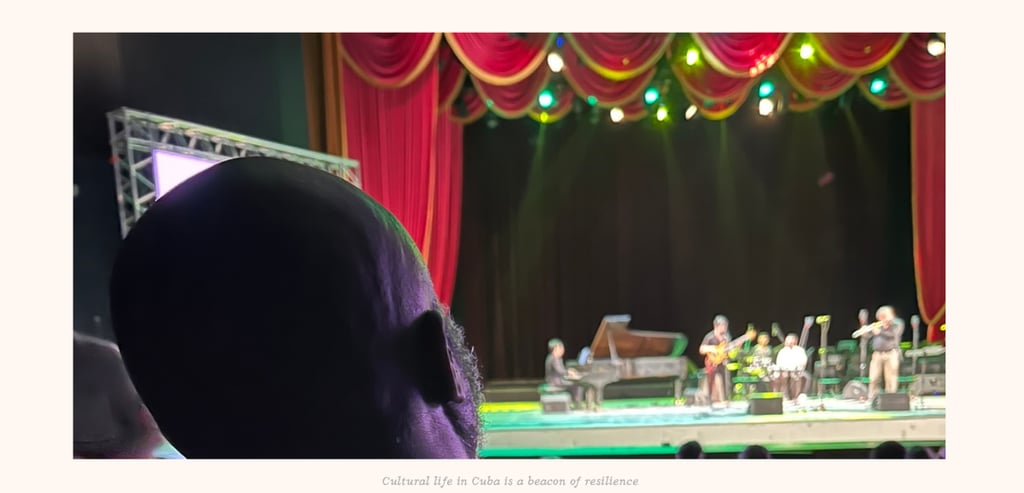
Events like the Havana Jazz Festival make this especially visible. Stages across the city fill with Cuban and international musicians, and audiences gather in formal venues and informal spaces alike. The festival does not float above the country’s reality; it grows out of it. Sharing a late-night set with locals, feeling how a room responds to a solo, or listening to musicians speak about their craft alongside everyday challenges underscores a central truth: joy and constraint are not opposites here. They coexist, giving each other meaning.
Seen this way, cultural life in Cuba - whether through music, visual art, or everyday creativity - is not a counterpoint to difficulty, but evidence of resilience. Travelers attentive to both will experience the country with more honesty, and more respect.
Is this the right kind of journey for you?
Cuba is not a destination that asks, “How badly do you want to check this off your list?” It asks, “Are you willing to meet this place as it is?” This journey tends to fit travelers who value context over convenience, who are ready to release some control over timing and outcomes, and who prefer depth - conversations, relationships, recurring places - to a high-efficiency circuit of landmarks.
It also suits those who see structure as support rather than constraint, and who understand that, especially under current rules, responsible travel means engaging with and supporting ordinary Cubans through privately owned accommodations, restaurants, and experiences. Cuba does not need to be the right destination for everyone. It simply needs to be approached by travelers prepared to align their expectations, pace, and mindset with the complex, resilient reality of the island itself.
Some journeys ask for ease. Others ask for understanding.
Follow Us
Contact Us
Jeanne@CurioTravel.net
910-338-6978
© 2026 All rights reserved