
When a Destination Requires a Different Kind of Travel
Some destinations require a different kind of travel: one shaped by culture, context, and intention rather than speed or convenience.
THOUGHTFUL TRAVEL
1/20/20264 min read
By Jeanne Crouse
Writing about destinations that reward patience, context, and a more intentional way of traveling
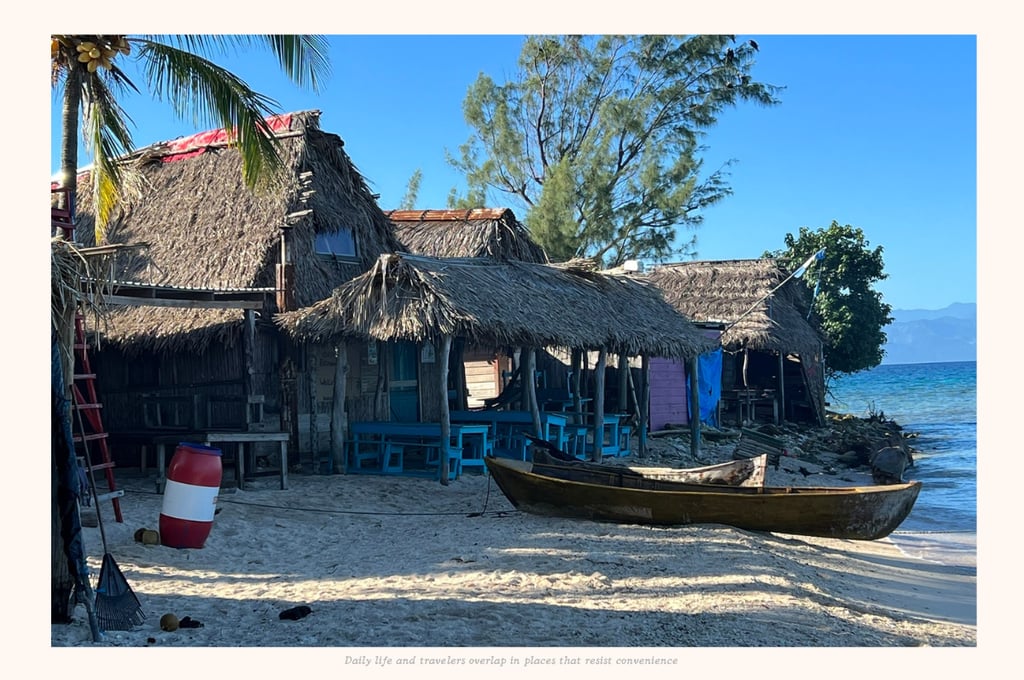
Culture, Context & Traveling With Intention
Some destinations accommodate almost any style of travel. They absorb speed, efficiency, and ambition without pushing back.
Others don’t.
These are places where pace matters, where context shapes every interaction, and where approaching the experience with the wrong expectations can lead to frustration rather than discovery. Not because the destination is difficult, but because it requires a different kind of engagement.
Thoughtful travel helps explain this distinction. It reminds us that not all places are designed to be consumed quickly or understood at a glance. Some reveal themselves only when we adjust how we move, what we prioritize, and how much certainty we’re willing to let go of.
This is especially true in destinations shaped by history, limitation, or delicate ecosystems: places where convenience is not the organizing principle. In these environments, slowing down isn’t a preference. Limits often exist to protect what cannot be replaced.
Understanding when a destination requires a different kind of travel isn’t about lowering expectations. It’s about aligning them so the place can be encountered on its own terms.
When Convenience Isn’t the Point
Modern travel often prioritizes efficiency. We move quickly, maximize access, and expect systems to adapt to us.
But in certain places, convenience isn’t the goal and expecting it can flatten the experience.
These destinations ask travelers to:
Slow down;
Observe before acting;
Accept limitations as part of the story.
What might initially feel unfamiliar or restrictive often exists for reasons rooted in history, economics, or culture. Understanding those reasons changes everything.
The Role of Cultural Context
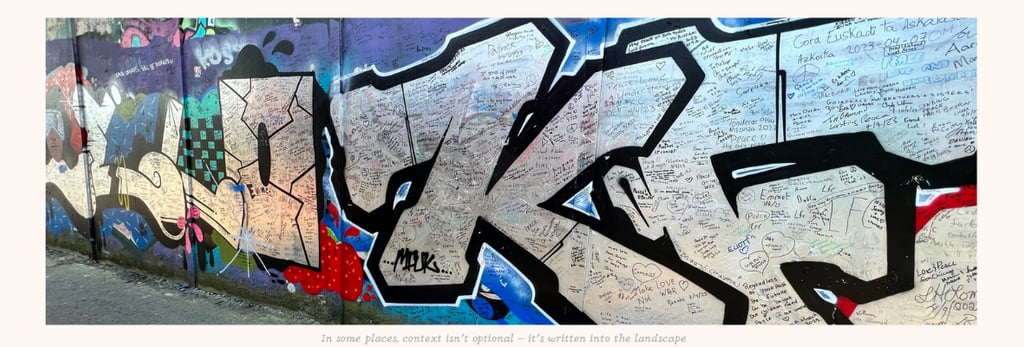
Culture is not a backdrop. It is the framework.
In destinations shaped by complex histories or distinct social systems, cultural norms influence everything from daily schedules to communication styles. Ignoring that context can lead to misunderstanding, frustration, or missed connection.
Traveling thoughtfully means recognizing that:
Not all systems are designed for outsiders;
Daily life may follow different priorities;
Flexibility often matters more than efficiency.
Context doesn’t complicate travel. It enriches it.
Why Intention Matters More in Some Places
Some destinations absorb visitors easily. Others require discernment.
Traveling with intention in these places means being aware of:
How your being there is perceived;
What behaviors are respectful, or not;
When curiosity should outweigh convenience.
This isn’t about walking on eggshells. It’s about moving through a place with awareness rather than assumption.
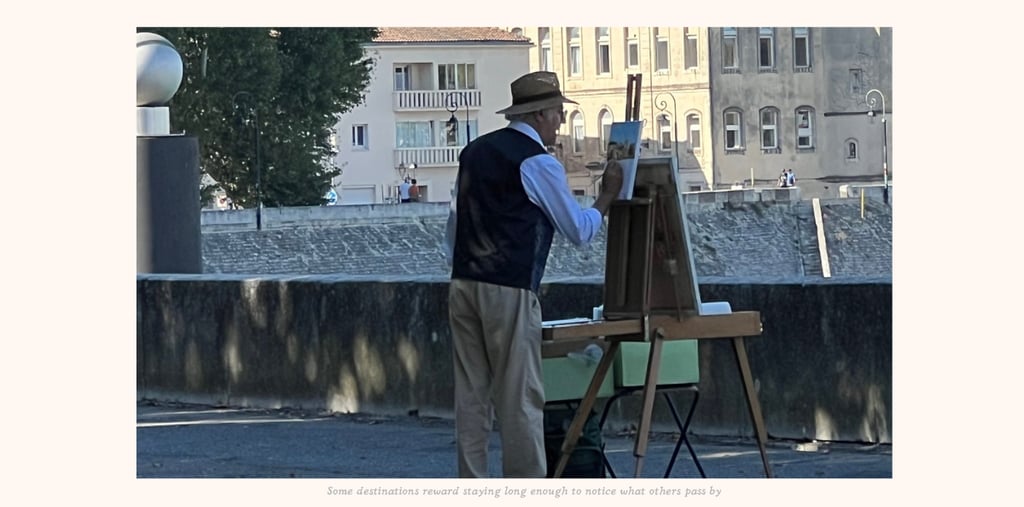
When travelers meet a destination on its own terms, deeper understanding becomes possible.
Letting Go of the Script
Many travelers arrive with a mental script: their expectations shaped by marketing, media, or previous trips.
But destinations that require a different kind of travel often resist scripting. Schedules shift. Plans adapt. Experiences unfold gradually rather than dramatically.
The reward for letting go of control is often:
Greater authenticity;
Unexpected connection;
A clearer sense of place.
This kind of travel doesn’t perform well on a checklist, but it stays with you.
Firsthand Experience Changes Expectations
Understanding which destinations require a different approach isn’t something you can always research in advance.
It’s learned through experience:
By noticing where flexibility matters;
By recognizing when structure helps rather than hinders;
By understanding when guidance provides access—not limitation.
Travel shaped by firsthand knowledge anticipates these nuances and designs around them, rather than forcing destinations into familiar molds.
Respect Is Part of the Experience
In places where culture and context play a larger role, respect isn’t separate from enjoyment. It’s integral to it.
Respect shows up as:
Patience when systems move differently;
Curiosity without judgment;
Engagement without entitlement.
These gestures shape how travelers are received and how tourism affects daily life long after visitors leave
Why This Matters Before Choosing Where to Go
Not every destination suits every traveler at every moment.
Destinations that require a different kind of travel can be deeply rewarding - but only when approached with the right mindset. Understanding this before choosing where to go leads to better experiences and fewer mismatches.
Thoughtful travel isn’t about persuading people to go everywhere. It’s about helping travelers recognize where they’ll engage most meaningfully.
If this way of thinking resonates, I explore the philosophy behind it more fully in Why Thoughtful Travel Matters More Than Ever and why intention often matters more than itinerary.
I work with travelers who recognize that some destinations ask for patience, context, and flexibility and who are willing to travel accordingly. When it feels like a good fit, I help to shape a trip that cares for both the place and the person: anchored enough to feel grounded, open enough for the best moments to unfold naturally.
Traveling With Awareness
Some journeys are defined by ease. Others by depth.
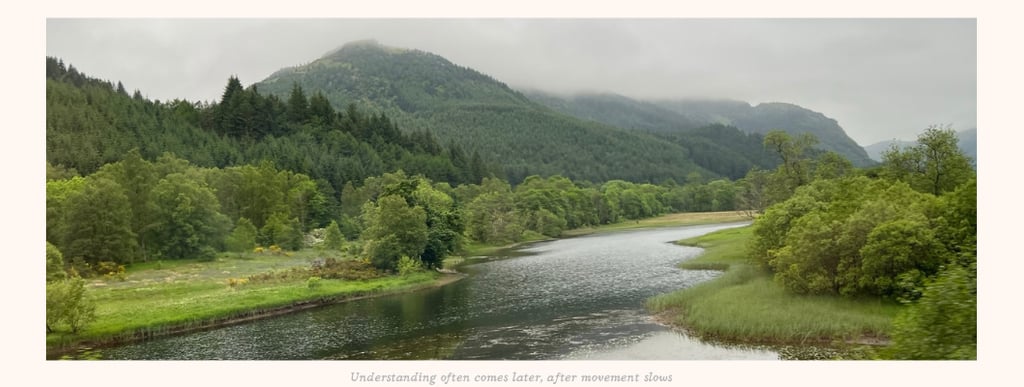
Destinations that require a different kind of travel ask more of us, but they often give more in return. They invite us to slow down, listen, and understand.
And for travelers willing to meet them where they are, the experience becomes something richer than movement alone.
Many of the destinations I’ll be sharing next are squarely in this category. These are places where context, culture, and intention shape the experience as much as the landscape itself.
Some destinations demand this approach more than others. In the next article, I explore why certain places - like Cuba - can only be understood through a different kind of travel.
Follow Us
Contact Us
Jeanne@CurioTravel.net
910-338-6978
© 2026 All rights reserved