
Cuba Inside the Experience: Why Expectations Matter Here
How expectations shape travel in Cuba, where context and daily realities matter more than convenience, and mindset often determines what travelers are able to see.
THOUGHTFUL TRAVEL
1/29/20262 min read
By Jeanne Crouse
Writing about destinations that reward patience, context, and a more intentional way of traveling
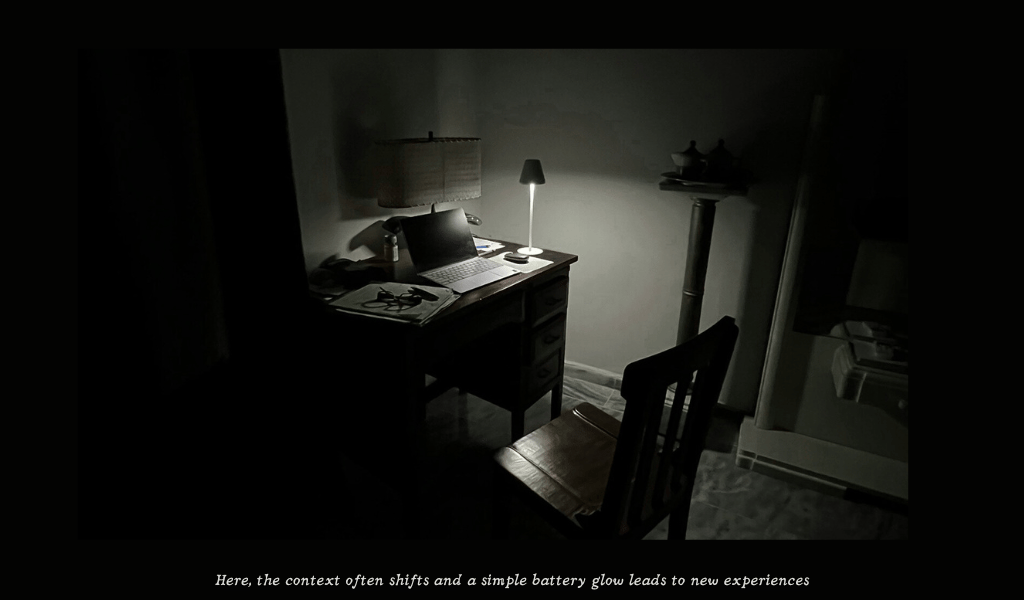
This short reflection is part of an ongoing series of observations from Cuba - quiet moments that reveal how travel changes when context, not convenience, sets the terms.
Cuba doesn’t punish travelers for high expectations, but it does reveal them quickly.
In many destinations, expectations can bend without consequence. Infrastructure absorbs friction. Delays are corrected. Systems recalibrate to preserve the experience travelers imagined. In Cuba, expectations don’t disappear, but they shape the experience far more directly. How you arrive here, mentally, often determines what you’re able to see, feel, and understand.
Travelers who arrive expecting efficiency, abundance, or predictability often struggle - not because Cuba is unwelcoming, but because it operates on different assumptions. Daily life here has been shaped by decades of economic constraint, political isolation, and improvisation. Those realities influence transportation, dining, schedules, and communication in ways that don’t adjust easily to individual preferences. When expectations collide with those realities, frustration can follow.
Other travelers arrive differently. They expect plans to shift, information to be partial, and timing to remain flexible. They treat improvisation not as a flaw, but as a feature of daily life. These travelers tend to connect more deeply, not because their experience is smoother, but because they’re less focused on how things should work and more attentive to how they do.
This difference isn’t about standards or tolerance. It’s about orientation.
In Cuba, systems often prioritize survival and continuity over convenience. A restaurant may offer fewer options than anticipated. Transportation may follow availability rather than schedule. Power outages or supply gaps aren’t disruptions to a polished experience, instead they are part of the context in which daily life unfolds. Expecting those systems to bend around personal plans can lead to disappointment and frustration. Allowing plans to bend within those systems often leads to insight.
What emerges instead is a different kind of engagement. Conversation replaces transaction. Time slows enough to notice patterns: how neighbors help one another navigate shortages, how humor softens uncertainty, how resilience becomes ordinary rather than exceptional. Experiences unfold less through efficiency and more through participation.
Cuba tends to reward travelers who are willing to accept that systems work differently here, who value interaction over convenience, and who see adaptation as part of the experience rather than a problem to solve. These travelers aren’t disengaged or passive; they’re attentive. They observe before judging. They adjust rather than resist. And in doing so, they often find that what initially felt unfamiliar becomes meaningful.
This isn’t about lowering expectations or romanticizing difficulty. It’s about recognizing that not every destination organizes itself around visitor comfort and that understanding this ahead of time can transform how travel feels. In places where daily life and visitor life run closely together, awareness matters. So does humility.
In Cuba, expectations don’t need to disappear. They need to shift.
This isn’t about lowering standards.
It’s about adjusting perspective.
Follow Us
Contact Us
Jeanne@CurioTravel.net
910-338-6978
© 2026 All rights reserved